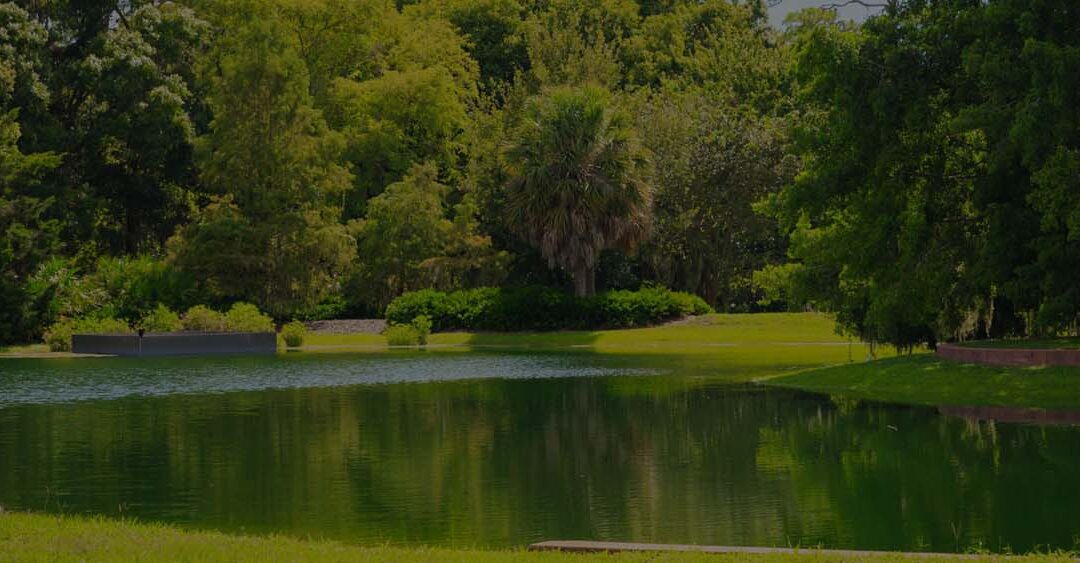
A healthy pond depends on oxygen. When dissolved oxygen levels drop, water quality declines, organic debris accumulates, algae becomes more persistent, and unpleasant odors can develop. A properly designed pond aeration system helps maintain circulation, supports natural biological processes, and extends the functional life of HOA, commercial, and community ponds across Houston and throughout Texas. Adequate dissolved oxygen is one of the most important factors in long-term pond health.

A pond aeration system increases dissolved oxygen and improves water circulation, helping reduce muck accumulation, odors, stagnation, and poor water quality. For HOA and commercial ponds in Houston, year-round aeration supports healthier aquatic ecosystems, improves appearance, and helps extend the lifespan of the pond.

The Problem: Low Oxygen Accelerates Pond Aging

Every pond naturally undergoes a process known as eutrophication, which is the gradual accumulation of organic material that causes a waterbody to become shallower over time. Without sufficient dissolved oxygen, beneficial bacteria cannot efficiently break down leaves, grass clippings, sediment, and other organic matter.

The result is a growing layer of bottom muck that creates several common pond problems:

  • Foul odors caused by methane and hydrogen sulfide gases

  • Increased nutrient availability that fuels algae growth

  • Reduced water clarity

  • Stratification and stagnant water conditions

  • Increased mosquito habitat

  • Accelerated sediment accumulation

These issues are particularly common in Houston-area HOA ponds located in communities such as The Woodlands, Katy, and Sugar Land. Warm temperatures and high humidity create year-round biological activity, which increases oxygen demand and makes aeration an important component of pond management.

A pond that appears healthy on the surface can still suffer from oxygen deficiencies below the waterline. By the time odors, algae blooms, or fish stress become visible, the underlying oxygen imbalance has often existed for months.

The LMS Solution: Aeration Improves Circulation and Water Quality

A properly designed aeration program improves dissolved oxygen levels throughout the water column and promotes continuous circulation. This allows naturally occurring bacteria to break down organic matter more efficiently and helps maintain ecological balance.

Lake Management Services evaluates each pond individually because aeration requirements depend on factors such as:

  • Pond depth

  • Surface area

  • Water source

  • Existing circulation patterns

  • Intended use of the pond

  • Organic loading levels

Two primary aeration approaches are commonly used.

Bottom Diffused Aeration

Bottom diffused systems use shore-mounted compressors connected to underwater diffusers. Air released at the pond bottom creates rising bubble columns that move deeper water toward the surface.

This type of pond aeration system is generally most effective in ponds deeper than 10 feet because it promotes full water-column circulation while minimizing surface disturbance.

Surface Aeration and Aerating Fountains

Surface aeration systems use mechanical equipment to move water and increase oxygen transfer. These systems often combine functional aeration with visual enhancement.

It is important to distinguish between decorative fountains and true aerating fountains. While decorative fountains provide visual appeal, many move relatively little water and contribute limited oxygen transfer. Effective aeration equipment should be evaluated based on measurable performance metrics such as gallons per minute (GPM) and Standard Oxygen Transfer Rate (SOTR).

LMS installs and services commercial fountain and aeration equipment throughout Houston, Dallas–Fort Worth, and Central Texas. Certified fountain technicians help property managers select equipment appropriate for both aesthetic goals and water-quality needs.

Consequences of Inaction: Small Water Quality Issues Become Expensive Problems

Ignoring oxygen deficiencies often increases long-term maintenance costs.

As organic material accumulates, sediment depth increases and the pond gradually loses storage capacity. In stormwater ponds, this reduction can affect the facility’s ability to function as designed.

Common consequences include:

  • Increased algae treatment costs

  • Greater aquatic weed growth

  • More frequent odor complaints from residents

  • Accelerated sediment buildup

  • Reduced pond aesthetics

  • Potential need for large-scale dredging projects

Aeration is not a standalone solution for every pond issue. It will not eliminate weeds or algae by itself. However, it addresses one of the root causes of poor water quality by supporting the biological processes that help maintain balance within the pond ecosystem.

For HOA boards and community managers, early investment in aeration is often substantially less expensive than future dredging, sediment removal, or corrective restoration projects.

Regulatory and Compliance Context

Many Texas ponds serve dual purposes as both aesthetic amenities and stormwater Best Management Practices (BMPs). Municipal Separate Storm Sewer System (MS4) permit holders, property owners, and community associations are responsible for maintaining these facilities so they continue functioning as intended.

The Texas Commission on Environmental Quality (TCEQ) establishes stormwater requirements that affect many commercial and residential developments. Local jurisdictions, including Harris County and municipalities throughout the Houston region, may also enforce maintenance requirements for stormwater infrastructure.

While aeration itself is not typically a direct regulatory requirement, maintaining pond health helps support overall BMP performance by reducing sediment accumulation, supporting water quality objectives, and preserving stormwater capacity.

Houston Conditions Make Aeration Especially Valuable

Houston’s climate creates continuous biological activity within ponds. Warm temperatures persist for much of the year, reducing opportunities for natural seasonal recovery that colder regions experience.

In master-planned communities across The Woodlands, Katy, Sugar Land, and surrounding areas, decorative ponds often serve as prominent community amenities. Consistent aeration helps maintain appearance while supporting water quality.

Dallas–Fort Worth communities, particularly in rapidly growing areas such as Frisco and McKinney, also rely heavily on HOA ponds and stormwater features. Meanwhile, ponds in the San Marcos and Central Texas region experience prolonged summer heat and often interact with sensitive watershed systems associated with Edwards Aquifer tributaries.

Across all three markets, proactive aeration supports healthier ponds and more predictable maintenance outcomes.

Contact LMS to schedule a service visit or request a quote for fountain and aeration services across Houston, Dallas–Fort Worth, and Central Texas. Our team can evaluate your pond, recommend the appropriate pond aeration system, and help support long-term water quality and appearance goals.

Frequently Asked Questions

How do I know if my pond needs a pond aeration system?

Common signs include foul odors, excessive algae growth, stagnant water, mosquito activity, and visible muck accumulation. A professional assessment can determine whether low dissolved oxygen is contributing to these issues.

What is the difference between a fountain and an aerator?

A decorative fountain primarily provides visual appeal. An aerator is designed to increase oxygen transfer and circulation. Some aerating fountains provide both functions, but performance should be evaluated using measurable specifications.

Will aeration eliminate algae problems?

No. Aeration does not directly eliminate algae. However, improved circulation and oxygen levels support healthier biological processes that can reduce conditions that contribute to recurring algae issues.

How long does a pond aeration system last?

System lifespan depends on equipment quality, operating conditions, and maintenance practices. Routine inspections, electrical safety checks, and timely repairs help maximize equipment performance and longevity.

Are HOA stormwater ponds required to be aerated?

Most stormwater regulations do not specifically require aeration. However, property owners and associations remain responsible for maintaining stormwater BMPs and preserving their intended function, which often benefits from proper aeration and circulation.


Mary Gerhart

Brett Burris

Senior Vice President - Dallas/Fort Worth Operations

Since starting a career with LMS in 2014, Brett has managed our operations in the DFW Metroplex and has been responsible for developing and implementing our business growth strategies in this region. He studied Wildlife and Fisheries Sciences at Texas A&M University and his business background includes managing sales and manufacturing. Brett also works closely with the DFW Community Assoc. Institute and holds their Educated Business Partner distinction.

Jessica Treneer

Jeff Garner

Senior Vice President - Business Development

Jeff started with LMS in 2011. He received his B.S. in Wildlife and Fisheries Sciences from Texas A&M. After working in the commercial aquaculture industry, Jeff changed career paths to large-scale HOA management. He received his CMCA and AMS certifications from Community Assoc. Institute and continues to stay active on CAI committees. Jeff has since used his expertise to not only manage waterways and employees but also assist HOA managers with annual budgets, reserve expenditures and developer/resident/HOA Board expectations

Jessica Treneer

Nick Hobson, MBA

Chief Financial Officer

Nick joined the LMS team as CFO in 2024. A Houston native, he received his Undergraduate in Business Administration while serving Airborne Intelligence in the US Air Force. Immediately following his Military career, he attended Rice University graduating with his MBA in 2020. He has extensive experience in Sales, Real Estate, Non-Profit Operations and Financial Investments. Nick manages the Company’s Financials, Accounting, Aquatic Leasing Division, and Corporate Office functions

Jessica Treneer

Mac McCune

President

Mac received his B.S. in Fish & Wildlife Biology from Sam Houston St. University and, in 1980, formally started Lake Management Services, the first urban lake management company in Texas. In 1984, Mac incorporated LMS and, in 2006, formed LMS, L.P. He has performed extensive research and work in urban lake design, aquatic plant management, water quality control and fisheries management. Within the urban sector, Mac consults with many land developers, civil engineers, landscape architects, land planners and homeowner associations. He performs seminars on lake design, construction and management for civil engineers, landscape architects and community management firms for their continuing education requirements. Mac has performed consulting work for the U.S. Fish & Wildlife Service as well as internationally for Mexico’s Departemente de Pesca y Ecologiand within the private sector throughout the U.S.

Jessica Treneer

Bo Willis

Chief Operations Officer

Bo joined the LMS team in 2012 and graduated from LSU Baton Rouge with a B.S. in Biology. As the manager of the company’s full operations, Bo works directly with HOA managers, developers, and subcontractors to oversee projects from estimating to completion. In addition to managing operations, he oversees employee training, bidding, customer relations, and daily activities. Bo is certified in Otterbine aeration and licensed to commercially treat aquatic vegetation.

Lorem insum dolor amet consec tetursa udirisco excuer

Lorem insum dolor amet consec tetursa udirisco excuer

WES RILEY

Wes Riley

Coming soon

Coming soon

Coming soon

  • Coming soon

PHILIP RAMSAY

Philip Ramsay

Coming soon

Coming soon

Coming soon

  • Coming soon

comingsoon

Matthew Johnson

Coming soon

Coming soon

Coming soon

  • Coming soon

MATTHEW SANTA CRUZ

Matthew Santa Cruz

Coming soon

Coming soon

Coming soon

  • Coming soon

MARIE HOUSE

Marie House

Coming soon

Coming soon

Coming soon

  • Coming soon

KEN JOHNSON

Ken Johnson

Coming soon

Coming soon

Coming soon

  • Coming soon

JORDAN WHEELER

Jordan Wheeler

Coming soon

Coming soon

Coming soon

  • Coming soon

JON LUNA

Jon Luna

Coming soon

Coming soon

Coming soon

  • Coming soon

comingsoon

Ikaika “Kai” Hifstee

Coming soon

Coming soon

Coming soon

  • Coming soon

comingsoon

Gavin Alvarez

Coming soon

Coming soon

Coming soon

  • Coming soon

comingsoon

Daniel Graziano

Coming soon

Coming soon

Coming soon

  • Coming soon

ANTHONY MORCIGLIO

Anthony Morciglio

Coming soon

Coming soon

Coming soon

  • Coming soon

comingsoon

Amber McShan

Coming soon

Coming soon

Coming soon

  • Coming soon

Jessica Treneer

Evelyn Dio, MBA

Human Resources Manager

Evelyn joined the LMS team in 2023. She graduated from the University of Houston-Victoria with an MBA in Human Resources Management. Evelyn’s expertise includes developing and implementing HR policies, managing benefits and compensation, and leading initiatives that enhance employee engagement and retention. She works closely with leadership to drive continuous improvement and support our team’s professional development.

Jessica Treneer

Andrew Vacek

Operations Manager

Andrew joined the LMS team in 2019. He graduated from Texas A&M with a B.S. Degree in Recreation Park & Tourism Sciences. Before joining our team, Andrew worked in large-scale HOA management.  He overseas water well management for all customer water wells and works directly with Subsidence and Groundwater Conservation Districts.  Additionally, he is responsible for the daily operations of procurement, inventory, and fleet management for the company.

Jessica Treneer

Allen Shine

Branch Manager - Central Texas Operations

Allen joined LMS in 2019. He initially supervised crew operations for aquatic plant management and fountain servicing within the Greater Houston area, contributing to the maintenance of large-scale communities and exceeding their expectations. In 2023, Allen transitioned to the Central Texas (CTX) branch, where he now oversees daily field operations, drives employee development, implements market growth strategies, and expands outreach in the surrounding Central Texas areas through customer relations and project management.

Jessica Treneer

Joe Voigt

Vice President - Waterfalls, Pumps, & Controls

Joe joined the LMS team in 2017 as a foreman on our lakeside operation. He now manages our waterfalls, pumps, and controls department across the state, overseeing the department’s field staff with a focus on employee development, project bidding and management, customer relations, and daily operations. Joe collaborates with developers, engineers, and architects on large-scale community irrigation projects, waterfalls, and pumps. He is a certified Pool & Spa Operator and holds a Confined Space Certification.

Jessica Treneer

Cullen Raska

Vice President - North Houston Operations

Cullen joined the LMS team in 2011. He earned his Bachelor of Science degree from the University of Houston. As the manager of our North Houston location, Cullen oversees employee operations, project management, and customer relations. He is dedicated to building strong relationships with both customers and industry partners alike. He is a Certified Repair Technician for multiple aeration

Jessica Treneer

Nick Steffek

Vice President - South Houston Operations

Nick joined the LMS team in 2014. He graduated from Texas A&M University in 2013 with a B.S. in Wildlife and Fisheries Science. As the Vice President for our South Houston branch, Nick oversees all aspects of field operations. His responsibilities include supervising the daily activities of the field staff, managing project timelines, and ensuring efficient customer service through effective communication with clients.

Jessica Treneer

Wade Griffith

Senior Vice President - South Houston Operations

Wade joined the LMS team in 2014.  He has a bachelor’s degree from Texas State University and has over 25 years of experience in sales, operations and management.  Wade manages our Houston operations and works with HOA managers, developers, contractors, engineers & landscape architects. He oversees project bidding, execution and management, customer relations, and all daily operations in our Houston market.  Wade is certified in aeration equipment repair and licensed by the Texas Department of Agriculture for aquatic applications.

Mary Gerhart

Brett Burris

Senior Vice President - Dallas/Fort Worth Operations

Since starting a career with LMS in 2014, Brett has managed our operations in the DFW Metroplex and has been responsible for developing and implementing our business growth strategies in this region. He studied Wildlife and Fisheries Sciences at Texas A&M University and his business background includes managing sales and manufacturing. Brett also works closely with the DFW Community Assoc. Institute and holds their Educated Business Partner distinction.

Jessica Treneer

Jeff Garner

Senior Vice President - Business Development

Jeff started with LMS in 2011. He received his B.S. in Wildlife and Fisheries Sciences from Texas A&M. After working in the commercial aquaculture industry, Jeff changed career paths to large-scale HOA management. He received his CMCA and AMS certifications from Community Assoc. Institute and continues to stay active on CAI committees. Jeff has since used his expertise to not only manage waterways and employees but also assist HOA managers with annual budgets, reserve expenditures and developer/resident/HOA Board expectations